

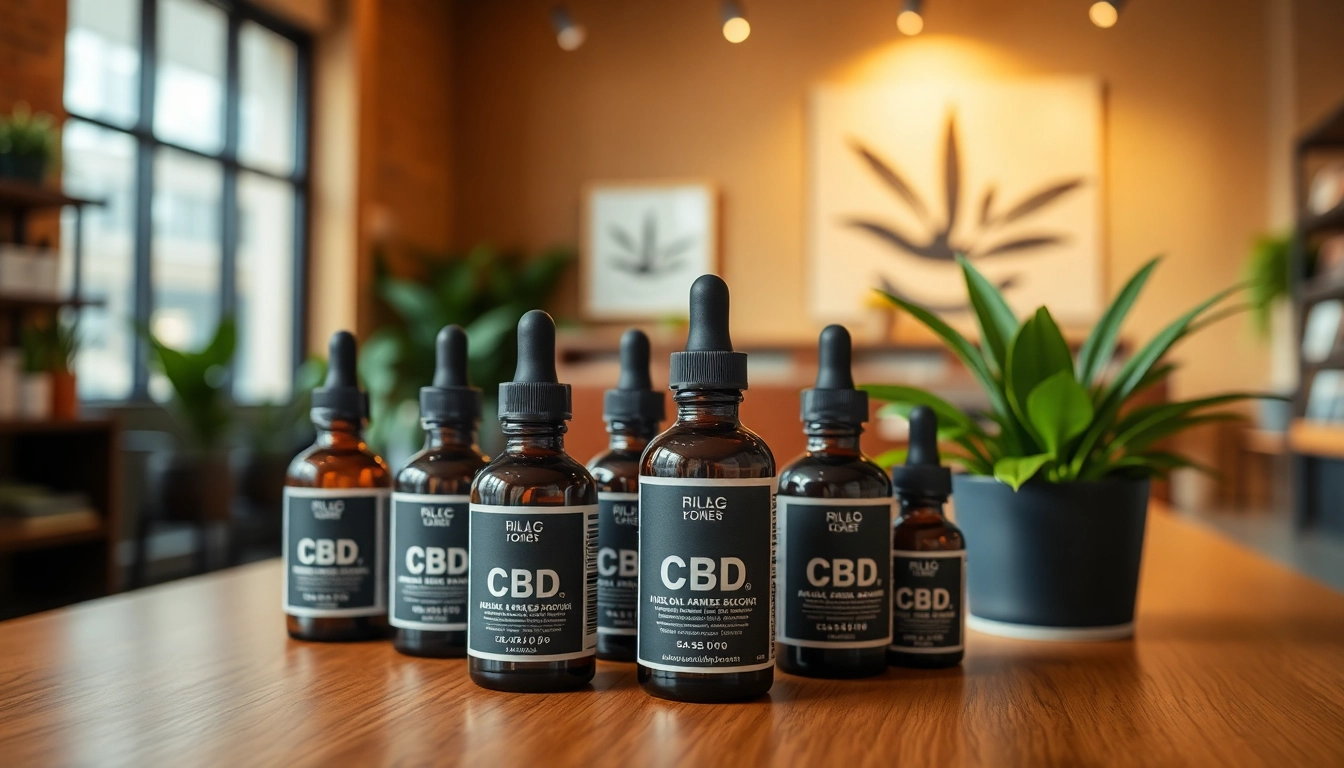
What is CBD? A Comprehensive Overview
Cannabidiol, commonly known as CBD, is gaining significant attention in the wellness and medical industries. This non-psychoactive compound derived from the hemp plant is one of over a hundred cannabinoids present in cannabis. Unlike its more famous counterpart, THC (tetrahydrocannabinol), CBD does not produce a “high.” Instead, it interacts with the body’s endocannabinoid system, which plays a vital role in regulating various physiological processes including mood, pain sensation, and immune responses.
The Science Behind CBD’s Origins
CBD originates from the Cannabis sativa plant, which has been cultivated for thousands of years for various purposes including fiber, food, and medicine. The extraction of CBD is primarily from the hemp variant of cannabis, which contains lower levels of THC. This makes hemp an ideal source for CBD products designed for medicinal or therapeutic use. The process of extracting CBD involves several methods, including solvent extraction, steam distillation, and CO2 extraction, each affecting the potency and quality of the final product.
CBD vs. THC: A Comparison of Effects
Understanding the key differences between CBD and THC is crucial for grasping how they affect the body. While both compounds activate the endocannabinoid system, they do so in markedly different ways. THC binds predominantly with CB1 receptors in the brain, triggering the psychoactive effects associated with marijuana, such as euphoria and altered cognitive function. In contrast, CBD has a more complex interaction with the endocannabinoid system, often modulating the effects of THC and contributing to a balanced experience without intoxication.
Legal Status of CBD Across States
The legal landscape for CBD in the United States is intricate and varies from state to state. The 2018 Farm Bill legalized the cultivation of hemp and the sale of hemp-derived products containing less than 0.3% THC at the federal level. However, some states have enacted additional regulations or outright bans on CBD. Consumers should always verify local laws regarding the purchase and use of CBD products to ensure compliance.
The Health Benefits of CBD
CBD has been extensively researched for its potential health benefits. Scientific studies have pointed towards various therapeutic properties that could help individuals manage a range of health conditions.
How CBD Helps with Anxiety and Stress
Many individuals report that CBD aids in reducing symptoms of anxiety and stress. Research suggests that CBD may influence serotonin receptors in the brain, similar to how selective serotonin reuptake inhibitors (SSRIs) function. Through its anxiolytic properties, CBD may help alleviate anxiety-related disorders, making it a promising option for those seeking non-pharmaceutical interventions.
CBD’s Role in Pain Management and Inflammation
CBD is known for its anti-inflammatory properties, which can be beneficial for individuals suffering from chronic pain, arthritis, or other inflammatory conditions. Studies have indicated that CBD can interact with endocannabinoid receptor activity, reducing inflammation and alleviating pain. While more research is needed, many users have found pain relief through CBD oil and topical applications.
The Potential of CBD for Sleep Disorders
Sleep disorders, including insomnia, affect millions globally. CBD has shown promise in studies focusing on sleep quality improvement. By potentially addressing underlying issues such as anxiety and pain, CBD helps users achieve a more restful sleep. Some research indicates that CBD may increase total sleep time while reducing interruptions during the night.
How to Choose Quality CBD Products
With a vast array of CBD products available, consumers must navigate the market carefully to ensure they are purchasing high-quality items.
Understanding CBD Product Labels: What You Need to Know
Before purchasing CBD products, it’s essential to understand the information provided on labels. Key components to look for include the concentration of CBD per serving, the source of hemp, any additional ingredients, and whether the product is full-spectrum, broad-spectrum, or isolate. Full-spectrum CBD products contain all cannabinoids, including up to 0.3% THC, while isolates contain pure CBD without other cannabinoids.
The Importance of Third-Party Lab Testing
Third-party lab testing is a crucial factor in ensuring the quality and safety of CBD products. Reputable brands will often provide Certificates of Analysis (COAs) that detail the product’s cannabinoid profile and confirm the absence of harmful contaminants. Always check for COAs to verify the authenticity of the product you intend to purchase.
Different Forms of CBD: Oils, Edibles, and Topicals
CBD is available in various forms, each with unique applications and benefits. CBD oils are among the most popular due to their versatility and ease of dosing. Edibles, such as gummies and capsules, offer a pre-measured and convenient way to consume CBD. Topical applications like creams and balms allow for targeted relief, making them suitable for localized pain or inflammation.
Common Misconceptions About CBD
Despite the growing popularity of CBD, several misconceptions persist that can mislead consumers.
Addressing the Myths Around CBD and Addiction
One common myth is that CBD is addictive. Research indicates that CBD does not possess addictive properties; in fact, it may even serve as a potential treatment for substance use disorders. Understanding the science behind CBD’s interaction with brain chemistry can help dispel these misconceptions and encourage informed use.
CBD Side Effects: What Users Should Be Aware Of
While CBD is generally well-tolerated, it is not entirely free from side effects. Some users may experience symptoms such as dry mouth, fatigue, or changes in appetite. It’s essential for potential users to start with a low dosage and gradually increase it while monitoring their body’s response. Consulting with a healthcare provider is advisable before beginning any new supplementation.
Dispelling CBD Legal Myths
Many individuals are confused about the legality of CBD, often conflating it with THC. Understanding the legal distinction between hemp-derived CBD and marijuana is fundamental, as it impacts purchasing and usage rights. This confusion can prevent people from taking advantage of CBD’s potential benefits due to fear of legal repercussions.
Future of CBD in Wellness and Medicine
The future of CBD in health and wellness appears promising, backed by ongoing research and increasing consumer interest. As awareness grows, many anticipate this compound will play a more prominent role in medicinal applications.
Research Trends: What’s Next for CBD?
Research into CBD is rapidly evolving, with numerous studies exploring its efficacy for a range of health issues from epilepsy to mental health conditions. Future research could uncover new therapeutic applications and optimal dosages, fostering a deeper understanding of this compound and how it can be safely integrated into healthcare.
Consumer Attitudes Toward CBD in Health Products
As consumer understanding of CBD improves, so do their attitudes towards using it as a health supplement. Patients and health professionals alike are recognizing its potential benefits, which could shift CBD from a niche product to a mainstream element in wellness and medical treatments.
The Evolving CBD Market Landscape
The CBD market is experiencing rapid expansion, fueled by increased consumer demand and regulatory changes. As more companies enter the space, differentiation based on quality, transparency, and education will become paramount. Future trends will likely focus on innovative delivery methods, enhanced formulations, and tailored products aimed at addressing specific health concerns.