

Introduction to Cannabinoid Manufacturing in Europe
The European cannabinoid industry has evolved significantly over the past decade, emerging as a multifaceted sector characterized by innovation, regulatory compliance, and a commitment to quality. As a leading cannabinoid manufacturer Europe, the focus on premium products has become a cornerstone of success. This article delves into the key components of cannabinoid manufacturing, exploring its historical development, compliance requirements, and the importance of rigorous quality control. By understanding these factors, stakeholders in the hemp and cannabis sectors can navigate the complexities of this burgeoning market and capitalize on the growing demand for cannabinoid products.
History and Evolution of Cannabinoid Products
The history of cannabinoids dates back thousands of years, with ancient cultures utilizing cannabis for its medicinal properties. However, the modern era of cannabinoid products began in the late 20th century with the discovery of the endocannabinoid system and the subsequent legalization of hemp in many parts of Europe. This shift opened doors for research and development, leading to the popularity of cannabinoids such as CBD, CBG, and CBN.
Throughout the early 2000s, the scientific community began to uncover the therapeutic benefits of these compounds. As public awareness increased, consumers started seeking alternative health solutions, paving the way for manufacturers to introduce a diverse range of products, including oils, edibles, and topicals. Today, Europe is recognized as a leading hub for cannabinoid innovation, with a focus on developing high-quality, compliant products that meet the needs of various markets.
The Role of Compliance in Cannabinoid Manufacturing
Compliance in cannabinoid manufacturing is crucial, particularly with respect to European regulations such as the Novel Foods Regulation and the EU’s General Food Law. Manufacturers must ensure that their products align with these directives to guarantee safety and efficacy. This involves rigorous testing and documentation processes, including Certificates of Analysis (CoA), which provide transparency regarding cannabinoid concentrations and the absence of contaminants.
Staying compliant not only fosters consumer trust but also enhances the credibility of manufacturers in a competitive landscape. The evolving regulatory landscape necessitates that cannabinoid manufacturers remain agile, adapting to new laws and guidelines to maintain their market position and ensure customer safety.
Importance of Quality Control and Testing
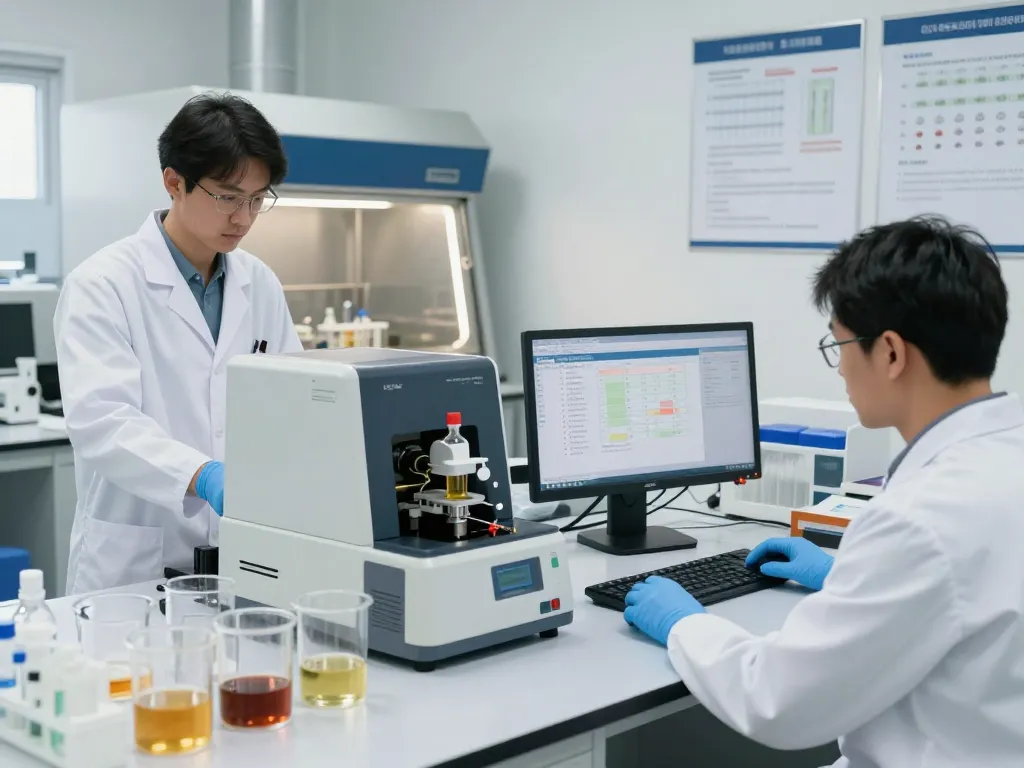
Quality control is a vital aspect of cannabinoid manufacturing. The integrity of the final product relies heavily on the quality of raw materials and the processes employed during production. Manufacturers must engage in comprehensive testing at various stages, from sourcing hemp genetics to the final product.
- Seed Selection: Choosing high-quality hemp strains with desired cannabinoid profiles is essential for optimal yield and efficacy.
- Extraction Methods: Utilizing advanced extraction techniques, such as supercritical CO2 extraction, ensures that the final product retains essential cannabinoids and terpenes.
- Lab Testing: Periodic lab testing for potency, purity, and contaminants is crucial. Third-party laboratories often conduct these analyses to ensure impartiality.
Implementing strict quality assurance practices helps mitigate risks, ensuring that products are effective and safe for consumption.
Understanding Cannabinoid Types and Their Benefits
Understanding the various types of cannabinoids and their unique benefits is fundamental in developing effective products tailored to consumers’ needs. Cannabinoids can be classified into several categories, with the most notable including CBD, THC, CBG, CBC, and CBN. Each cannabinoid serves distinct functions and offers a range of therapeutic benefits that are increasingly supported by scientific research.
Overview of Major Cannabinoids Used in Products
Cannabidiol (CBD) is one of the most widely recognized cannabinoids, known for its non-psychoactive properties and potential health benefits, including anxiety relief and anti-inflammatory effects. Tetrahydrocannabinol (THC), on the other hand, is the psychoactive component found in cannabis, primarily associated with the “high” sensation. Cannabigerol (CBG) and Cannabichromene (CBC) are other cannabinoids gaining attention for their potential anti-inflammatory and analgesic properties. Lastly, Cannabinol (CBN) has garnered interest for its sedative effects, making it a candidate for sleep-related formulations.
Health Benefits of Cannabinoids: Fact vs. Fiction
Despite the increasing popularity of cannabinoids, misconceptions surround their efficacy and safety. Numerous studies suggest that cannabinoids can positively influence various health conditions, from chronic pain management to anxiety and sleep disorders. However, it is essential for consumers to differentiate between anecdotal evidence and scientifically backed claims. Formulating products based on extensive research ensures that consumers receive tangible benefits without the influence of marketing hype.
Innovative Functional Formulas: Sleep, Energy, and Mind Extracts
Innovation has propelled the creation of functional cannabinoid formulas designed to address specific health concerns. Products focused on sleep, energy, and cognitive enhancement are gaining traction:
- Sleep Extracts: Formulations often combine cannabinoids like CBN with melatonin and herbal extracts to promote restful sleep.
- Energy Extracts: Cannabinoids like THCV are explored for their potential energizing effects, making them ideal for daytime use.
- Mind Extracts: Formulas targeting cognitive functions typically incorporate a blend of cannabinoids and nootropics aimed at enhancing focus and mental clarity.
These innovative approaches not only cater to consumer needs but also highlight the versatility of cannabinoids as health solutions.
The Manufacturing Process: From Seed to Shelf
The journey from seed to shelf is intricate and requires meticulous attention to detail at every stage of production. This vertical integration allows manufacturers to maintain control over quality, compliance, and the overall supply chain.
Vertical Integration in Cannabinoid Production
Vertical integration refers to the consolidation of the supply chain, encompassing every aspect of production, from cultivation to distribution. By controlling each phase, manufacturers ensure that quality standards are upheld and that the end product meets regulatory requirements. This approach also enhances efficiency, reduces costs, and fosters innovation throughout the production process.
Harvesting and Processing Cannabinoids Efficiently
Efficient harvesting techniques are imperative to preserve the cannabinoid content and overall quality of the hemp. Post-harvest processing, which includes drying, curing, and extraction, plays a significant role in determining the potency of the final product. Employing state-of-the-art extraction technologies allows manufacturers to maximize cannabinoid yields while minimizing waste.
Quality Assurance Practices in the Production Line
A robust quality assurance framework is crucial in ensuring that products are manufactured consistently and safely. This includes implementing Good Manufacturing Practices (GMP), conducting regular audits, and ensuring thorough documentation throughout the production process. By prioritizing quality, manufacturers can guarantee that their products meet consumer expectations and regulatory standards.
Market Trends and Competitive Landscape of Cannabinoid Manufacturing
The cannabinoid market is rapidly evolving, with significant trends emerging in product development, consumer preferences, and regulatory frameworks. Understanding these trends is imperative for manufacturers aiming to maintain a competitive edge in a saturated market.
Current Trends in the Cannabinoid Market for 2026
As we approach 2026, several trends are shaping the cannabinoid market, including:
- Personalization: Consumers are increasingly seeking personalized cannabinoid products tailored to their specific health needs and preferences.
- Sustainability: Eco-friendly production practices and ingredient sourcing are becoming more prominent as consumers prioritize sustainability in their purchasing decisions.
- Increased Regulation: As the market matures, regulatory scrutiny is expected to intensify, prompting manufacturers to invest in compliance and quality assurance measures.
Understanding Competitor Strategies in Europe
Analyzing competitor strategies is essential for manufacturers looking to differentiate themselves in the European cannabinoid market. Many leading companies focus on vertical integration, R&D investments, and building strong B2B partnerships. By examining their successes and challenges, emerging manufacturers can refine their strategies to enhance competitiveness.
Future Outlook: Emerging Cannabinoids and Innovative Applications
With ongoing research and advancements in cannabinoid science, new cannabinoids and their potential applications are emerging. Substances like THCNM and 10-OH-HHC are garnering interest for their unique effects and benefits. As manufacturers explore the viability of these compounds, the market may witness increased diversity in product offerings and innovative applications across various sectors.
How to Choose a Reliable Cannabinoid Manufacturer in Europe
Selecting a trustworthy cannabinoid manufacturer is crucial for businesses seeking to ensure product quality and compliance. Here are key evaluation criteria to consider:
Key Evaluation Criteria for Manufacturers
- Certification: Ensure that the manufacturer adheres to relevant certifications, such as GMP and ISO standards, which indicate a commitment to quality.
- Transparency: A reliable manufacturer should provide detailed information about their production processes, sourcing, and testing protocols.
- Reputation: Research the manufacturer’s market presence, customer reviews, and partnerships to gauge their reliability and credibility.
Importance of Certificates of Analysis (CoA)
Certificates of Analysis are essential in verifying the quality and safety of cannabinoid products. A reputable manufacturer should provide CoAs for their products, indicating cannabinoid concentrations, terpene profiles, and testing for contaminants. This transparency builds trust with consumers and businesses alike.
Building Partnerships: B2B Collaborations in the Cannabinoid Space
Collaboration is crucial in the cannabinoid industry, where businesses can benefit from sharing resources, knowledge, and networks. Building strong B2B partnerships can enhance product offerings, streamline processes, and foster innovation in product development.
Frequently Asked Questions
What differentiates cannabinoid manufacturers in Europe? Manufacturers differentiate themselves through their commitment to quality, innovation, compliance, and customer service. Those focusing on vertical integration and R&D often have a competitive edge.
How do European regulations impact cannabinoid production? European regulations dictate the standards for safety, efficacy, and labeling, ensuring that manufacturers comply with health and safety requirements. Staying informed about these regulations is critical for manufacturers’ success.
Can we expect new cannabinoids to emerge in 2026? Yes, ongoing research and advancements in cannabinoid science will likely lead to the discovery and commercialization of new cannabinoids with unique therapeutic properties and applications.