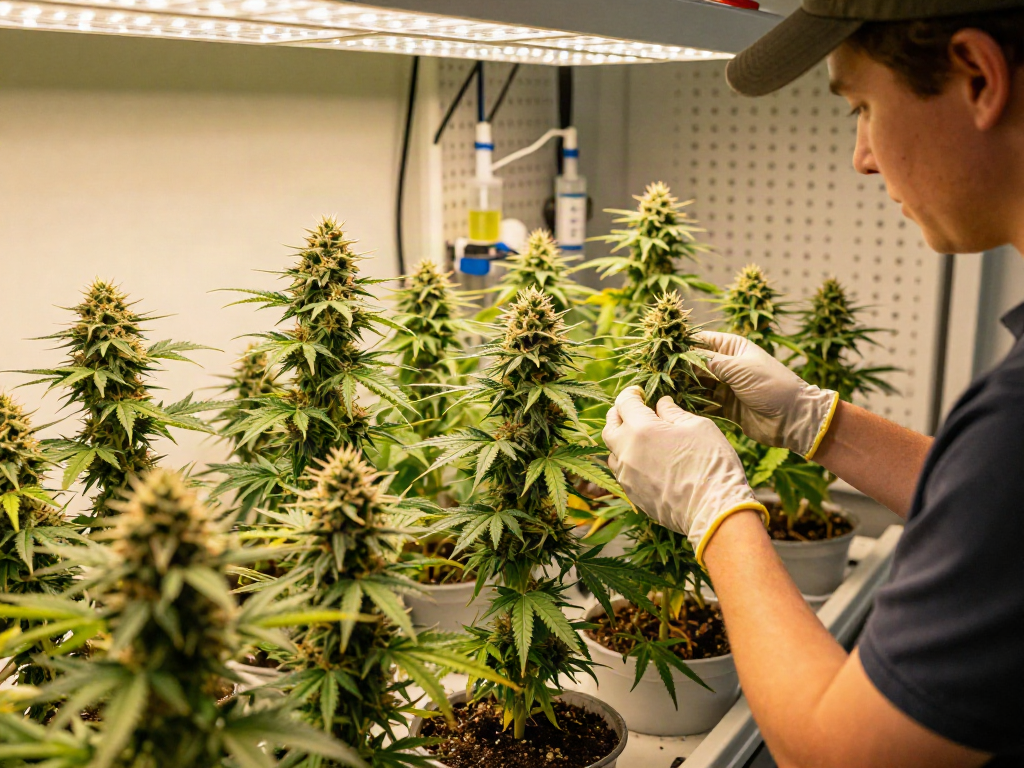
Understanding Cannabis Genetics Selection
In the rapidly evolving world of cannabis cultivation, selecting the right genetics is more crucial than ever. The variety of cannabis seeds available on the market today can be overwhelming, especially for novice growers. With numerous options ranging from feminized seeds to high-yield strains, understanding the intricacies of cannabis genetics selection is essential for achieving desired growth results. This comprehensive guide will delve into the fundamentals of cannabis genetics, the importance of selecting the right genetics, and how to effectively compare cannabis seed options while considering various factors that influence the growth and quality of your plants.
What Are Cannabis Genetics?
Cannabis genetics refers to the inherited traits that determine the characteristics of cannabis plants, including their growth patterns, cannabinoid content, flavor profiles, and overall resilience. By understanding a seed's genetic lineage, growers can predict how the plant will behave from seedling to harvest. Genetics play a crucial role in defining whether a strain will be predominantly indica or sativa, which affects the effects and growth characteristics of the cannabis plant. The genetic makeup of cannabis influences not just the potency but also the flavor, aroma, and even the stress tolerance of the plant.
The Importance of Selecting the Right Genetics
Choosing the right genetics is vital for a multitude of reasons. Firstly, different cannabis strains cater to varied preferences and needs - some growers prioritize flavor, while others may be more concerned with yield or potency. Additionally, understanding the genetics helps in planning cultivation logistics, such as the number of plants to grow, the nutrients to use, and the environment needed to maximize growth potential. A well-informed choice can significantly influence the success of your cultivation efforts and ultimately your satisfaction with the final product.
Different Types of Cannabis Seeds Explained
Cannabis seeds can be classified into several categories, each with unique characteristics:
- Feminized Seeds: These seeds are genetically modified to produce only female plants, which are the ones that produce the flowers sought after by consumers. Feminized seeds are ideal for growers looking to maximize yields without the risk of pollination.
- Autoflower Seeds: These seeds automatically transition from the vegetative phase to the flowering stage based on age rather than light cycles. This characteristic makes autoflower seeds suitable for growers with limited space or those looking for a quicker turnaround.
- Regular Seeds: Regular seeds can produce both male and female plants. They are often sought after by breeders looking to create new strains but are less favorable for commercial growers aiming for a high yield of flowers.
- Triploid Seeds: With three sets of chromosomes, triploid seeds are a newer breeding innovation that can produce plants with unique characteristics, often yielding higher amounts of cannabinoids.
- CBD Seeds: Tailored for those interested in the therapeutic benefits of cannabis without the psychoactive effects, these seeds focus on producing high levels of CBD.
Key Factors in Cannabis Genetics Selection
Potency: What to Look for in THC and CBD Levels
Understanding the potency of cannabis seeds is essential for growers aiming for specific effects. THC (tetrahydrocannabinol) is the primary psychoactive compound in cannabis, while CBD (cannabidiol) is non-psychoactive and is often used for therapeutic purposes. When selecting seeds, consider the THC and CBD levels reported by breeders. For example, a strain with high THC content may be preferred for recreational users, while those looking for medicinal properties might gravitate towards CBD-rich strains.
Growth Behavior: Understanding Flowering Times and Yields
Different cannabis strains exhibit varying growth behaviors that can influence your cultivation timeline and yield. Flowering time is a critical factor—some strains may flower in as little as eight weeks, while others can take much longer. Additionally, understanding the expected yield per plant can help you decide how many plants to cultivate. Some strains are bred for maximum yield, which is particularly beneficial for commercial growers.
Environmental Considerations for Different Strains
The environment in which cannabis grows significantly influences its development. Factors such as light, temperature, humidity, and nutrient availability will affect genetics expression. For instance, some strains thrive under high-stress conditions, while others are more delicate. A grower should match the strain to their specific indoor or outdoor environment to achieve optimal results.
How to Compare Cannabis Seed Options
Using Genetics to Evaluate Seed Quality
When comparing cannabis seeds, understanding the genetics behind each strain is essential for evaluating their potential quality. It's beneficial to look for breeder descriptions that outline the genetics' lineage, characteristics, and expected outcomes. Published data regarding THC/CBD percentages, flowering times, and yield estimates should not be seen as guarantees but rather guidelines to help you make informed selections.
Resources for Comparing Strains Effectively
There are several resources available for growers wanting to compare cannabis strains effectively. Online seed banks and botanical databases often provide comprehensive strain profiles that include grow reports, user reviews, and visual descriptions. Utilizing these resources can lead to more informed genetic selections and ultimately better cultivation outcomes.
Common Misconceptions in Seed Comparisons
One common misconception is that higher THC percentages directly correlate with a better growing experience or superior effects. While THC levels are an important consideration, they are not the sole factor in a strain's quality. Terpene profiles and the overall genetic mix play significant roles in the plant's aroma, flavor, and effects. Additionally, environmental adaptability is crucial; a strain that thrives in one condition may not perform well in another.
Top Recommended Cannabis Strains for 2026
Feminized vs. Autoflower: Best Choices for Beginners
For those new to cannabis cultivation, feminized seeds are generally the best choice, as they eliminate the uncertainty of male plants. However, autoflowering seeds offer an excellent alternative for those looking to cultivate discreetly or in smaller spaces. Both options provide distinct advantages depending on the grower's preferences and experience level.
High-Yield Strains to Maximize Your Grow
If maximizing yield is your goal, look for strains specifically bred for this purpose. High-yield varieties often have shorter flowering times and robust growth characteristics. Consider strains like Royal Gorilla or Grape Runtz, known for their impressive yields and consistent quality.
Popular Flavor Profiles and Their Effects
Flavor is an essential consideration for many cannabis consumers. Different terpenes produce unique flavors and aromas—caryophyllene provides a spicy note, while myrcene might impart an earthy scent. Understanding the flavor profiles can enhance your overall experience and satisfaction with the finished product. Growers should select strains that align with their preferences for taste to enhance their enjoyment of the final product.
Future Trends in Cannabis Genetics Selection
Innovative Breeding Techniques on the Rise
The cannabis industry is rapidly evolving, with new breeding techniques emerging to create strains that meet specific consumer demands. Techniques such as tissue culture and molecular breeding may yield plants with desirable traits more efficiently. As research continues, expect to see even more tailored genetics in the marketplace.
Impact of Legalization on Genetic Selection
As cannabis legalization continues to spread globally, we anticipate an increased focus on breeding for specific characteristics suited to different markets. Legalization opens the door for more extensive research into the medicinal properties of cannabis, leading to innovations in genetic selections that target therapeutic efficacy.
Preparing for the Latest Trends in 2026 and Beyond
Growers should remain informed about continuing advancements in cannabis genetics and be adaptable to evolving market demands. Staying updated through reputable resources and communities can help you capitalize on trends, ensuring your cannabis selection remains competitive and effective.
What Are the Strongest Cannabis Genetics?
The strongest cannabis genetics often come from well-known breeders with a history of producing high-potency strains. However, it's essential to consider personal preference—what may be the "strongest" for one person might not suit another's needs. Finding strains that balance potency with effects that align with individual preferences is key.
How Do I Choose the Right Cannabis Strain?
Choosing the right cannabis strain involves considering your desired effects, growth conditions, and personal taste preferences. Evaluating genetics, yield expectations, and environmental adaptability will guide you toward the best selection for your cultivation goals.
What Should I Consider When Buying Cannabis Seeds?
When purchasing cannabis seeds, look for a reputable source that provides detailed strain information, including genetic lineage and expected outcomes. Additionally, consider factors such as local laws and regulations regarding seed purchase and germination.
How Does The Environment Affect Cannabis Genetics?
The growing environment significantly influences how genetics are expressed. Light, nutrition, and temperature can all affect growth patterns and final yields. By understanding the environmental adaptability of your chosen strain, you can tailor your cultivation practices for optimal success.
What are the Most Challenging Cannabis Strains to Grow?
Some cannabis strains are inherently more challenging to grow due to their sensitivity to environmental factors or complex growth requirements. Strains that are highly sensitive to fluctuations in nutrient levels or require specific light conditions may pose challenges for novice growers.