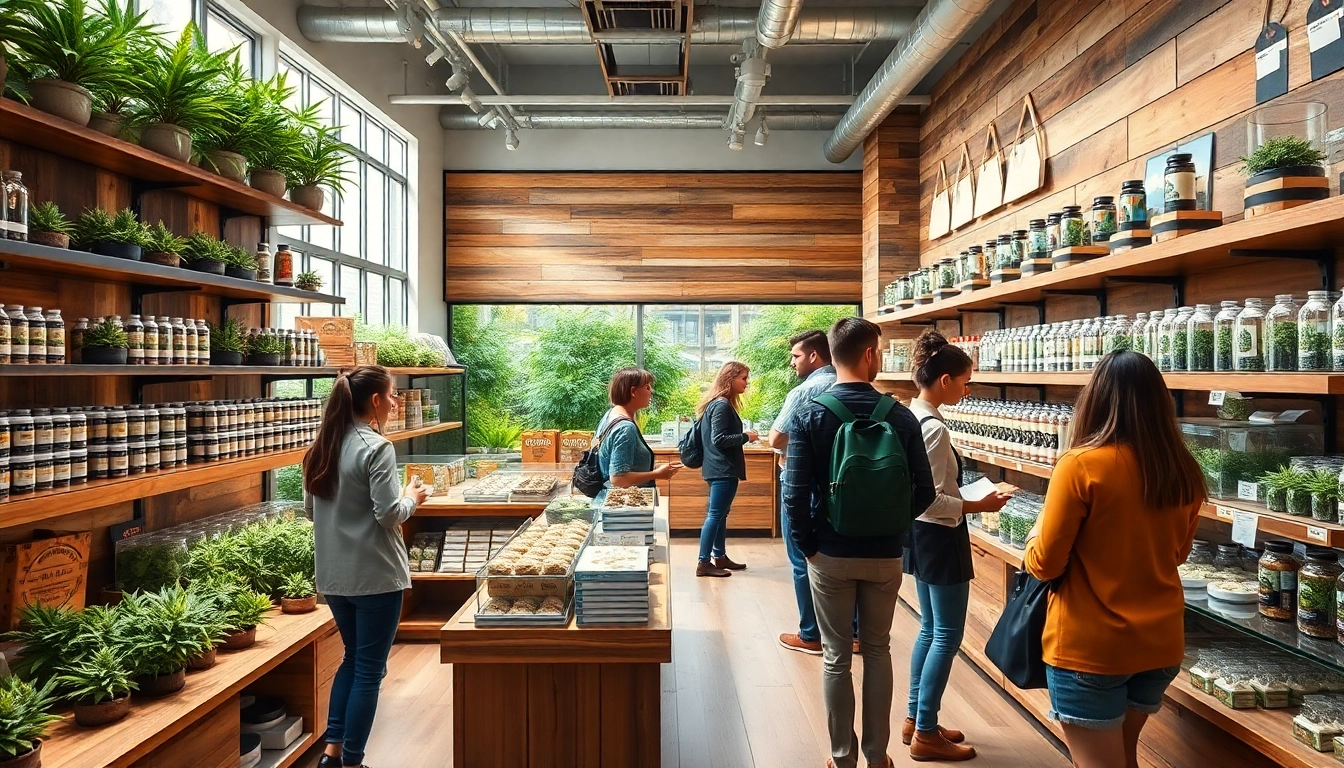
Understanding the Weed Store Landscape
As the cannabis industry continues to evolve and grow, the landscape of Weed Store operations is undergoing significant changes. The development of legal market frameworks, consumer preferences, and technological advancements are shaping how these establishments operate. Understanding this landscape equips both consumers and entrepreneurs with the knowledge to navigate the complexities of a growing cannabis market.
The Evolution of Weed Stores
The journey of weed stores has reflected broader societal changes regarding cannabis use. Initially stigmatized and often relegated to illegal markets, cannabis has now garnered recognition as both a medicinal and recreational substance in various regions. The shift has been catalyzed by changing public perceptions, extensive research into the benefits and risks of cannabis, and legislative changes paving the way for legal dispensaries.
In the early days of legalization, many dispensaries operated in a quasi-legal status, often in a gray market. Today, most weed stores are regulated entities that must comply with strict laws and regulations. These regulations can vary widely by state, impacting everything from product sourcing to age restrictions and labeling requirements.
Types of Offerings in Weed Stores
Weed stores today offer a vast array of products catering to diverse consumer preferences. Common product categories include:
- Cannabis Flower: The traditional and most recognizable form of cannabis, available in various strains with differing effects and potency.
- Concentrates: Highly potent formulations such as oils, waxes, and shatters that offer a concentrated dose of cannabinoids.
- Edibles: Food products infused with cannabis, ranging from gummies to baked goods, appealing to those who prefer a smoke-free experience.
- Topicals: Creams and balms infused with cannabis intended for localized relief, popular among those seeking pain management without psychoactive effects.
- Accessories: Items such as vaporizers, rolling papers, and storage solutions that enhance the consumption experience.
Understanding these offerings allows consumers to make informed decisions based on their needs, preferences, and desired experiences.
Market Trends Impacting Weed Store Operations
Several key market trends are influencing the operations of weed stores:
- Increased Consumer Education: With the proliferation of information regarding cannabis, consumers are more informed than ever about strains, methods of consumption, and effects. This heightened awareness pushes stores to offer detailed product information and education.
- Health and Wellness Focus: As more individuals turn to cannabis for therapeutic benefits, stores are increasingly promoting the health and wellness aspects of cannabis products, expanding their inventory to include health-focused offerings.
- Sustainability Practices: Eco-consciousness is becoming increasingly important to consumers. Many weed stores are integrating sustainable practices, such as sourcing organic products and minimizing waste.
- Technological Integration: The rise of e-commerce, delivery services, and mobile apps for product ordering signifies a shift in consumer buying behavior, compelling stores to adapt their business models accordingly.
Choosing the Right Products in Weed Stores
Selecting the right products in a weed store can be overwhelming given the extensive variety available. However, understanding product categories, quality indicators, and consumer preferences can simplify this process.
Top Product Categories in a Weed Store
As explored earlier, the primary categories found in weed stores include cannabis flower, concentrates, edibles, topicals, and accessories. Each category serves a distinct purpose and appeal to a different segment of the consumer market:
- Cannabis Flower: A staple in any dispensary, offering various strains that can cater to both recreational and medicinal users.
- Concentrates: Best suited for experienced users due to their potency. These are popular among those seeking a strong effect with less product.
- Edibles: A favored choice for users looking for discreet consumption or those who may dislike smoking.
- Topicals: Ideal for those who want to harness the benefits of cannabis without ingesting it.
Evaluating Quality and Value
Not all products are created equal. When evaluating cannabis products, consumers should consider the following:
- Lab Testing: Reputable weed stores will provide lab test results for their products, ensuring safety and accurate potency information.
- Source of Ingredients: Understanding where and how the cannabis was grown makes a significant difference in quality.
- Packaging: Look for products that are properly sealed and labeled, providing guidance on dosing and ingredient transparency.
Ultimately, quality correlates directly with value; lower-priced products may not always offer the best effects or safety. A willingness to invest in reputable products can lead to a more satisfying experience.
Customer Preferences in Product Selection
Consumer preferences can vary greatly based on personal experiences, intended uses, and desired effects. Surveys and market research indicate that factors such as flavor, strength, ease of use, and effects significantly influence purchasing decisions. Understanding demographic trends can further aid in tailoring offerings:
- Age: Younger consumers are often drawn to edibles and concentrates, while older generations may prefer traditional flower.
- Gender: Studies suggest that women may lean toward wellness products, while men might favor more potent offerings.
- Health Consciousness: A growing segment prioritizes organic and health-focused cannabis options, impacting inventory decisions.
Compliance and Regulations for Weed Stores
Compliance with laws and regulations is critical for the successful operation of a weed store. Understanding the legal landscape can protect businesses and consumers alike.
Understanding Local Laws and Regulations
Each state has unique laws governing cannabis sales and consumption. Compliance requires staying informed about:
- Age Restrictions: Most states prohibit sales to individuals under a specified age.
- Product Limitations: Certain products may be restricted or prohibited altogether, which directly influences inventory.
- Consumption Areas: Many localities impose strict rules about where cannabis can be consumed, affecting product marketing and information.
Failure to adhere to these regulations can result in severe penalties, including fines and business license revocations.
Licensing Requirements for Weed Store Operations
Obtaining a license to operate a weed store is a rigorous process involving:
- Application Fees: Most states require significant upfront fees to process application submissions.
- Background Checks: Owners and key stakeholders typically undergo extensive background checks to ensure compliance with local laws.
- Operational Plans: Applicants must submit detailed plans outlining how the business will comply with regulations, including security measures and supply chain management.
Best Practices for Compliance Management
Maintaining compliance requires ongoing efforts. Adopting best practices can help mitigate risks:
- Regular Training: Employees should be trained regularly on compliance issues, including new laws and internal policies.
- Record Keeping: Detailed records of transactions, inventory, and customer interactions can aid in compliance audits.
- Consulting Legal Experts: Engaging with legal professionals who specialize in cannabis law can provide critical insights and guidance.
Creating an Engaging Customer Experience in Weed Stores
In a highly competitive market, offering an engaging customer experience is paramount for success. This includes considerations in store layout, quality customer service, and loyalty programs.
Store Layout and Design Considerations
The physical layout of a weed store plays a significant role in attracting and retaining customers. An inviting and well-organized store can enhance the shopping experience:
- Accessibility: Ensuring ease of movement for customers to browse is essential.
- Product Placement: Strategically placing popular items at eye level and creating comfortable browsing areas can enhance interaction.
- Aesthetic Appeal: A modern and welcoming design can establish a strong brand identity and encourage repeat visits.
Staff Training and Customer Engagement
Knowledgeable and engaged staff who can provide insights into product offerings can enhance the customer experience. This includes:
- Product Knowledge: Staff should be trained on product specifications, effects, and recommendations based on customer needs.
- Interactive Engagement: Encouraging staff to connect with customers creates a welcoming atmosphere and builds brand loyalty.
Implementing Loyalty Programs for Weed Store Customers
Loyalty programs can incentivize repeat business while rewarding regular customers. Effective programs can include:
- Point Systems: Customers accumulate points per purchase that can be redeemed for discounts or products.
- Exclusive Offers: Members of loyalty programs can receive special offers on new products or promotions.
- Referral Bonuses: Encouraging existing customers to refer friends can help grow the customer base while rewarding loyalty.
Marketing Strategies for a Successful Weed Store
Effective marketing strategies tailored to the cannabis industry are crucial for distinguishing a weed store in a crowded marketplace. These strategies should focus on both digital and local community engagement.
Digital Marketing Techniques for Weed Stores
In today's digital age, leveraging online channels is essential for reaching potential customers:
- Search Engine Optimization (SEO): Enhancing online visibility through optimized content and technical strategies can help attract organic traffic.
- Pay-Per-Click Advertising: Targeted advertising can drive traffic to online or physical stores through well-crafted campaigns.
- Email Marketing: Regular communication with customers through newsletters fosters a sense of community and keeps them informed.
Community Engagement and Outreach
Building strong community ties can enhance a weed store's reputation and growth:
- Local Events: Hosting or participating in community events can promote the brand while connecting with local consumers.
- Education Seminars: Providing educational sessions about cannabis use and benefits can position the store as a trustworthy source.
- Support Local Causes: Engaging in philanthropic activities shows commitment to the community, helping to build goodwill.
Leveraging Social Media for Brand Awareness
Social media platforms are powerful tools for engaging the target audience:
- Content Sharing: Regularly posting educational and entertaining content related to cannabis keeps customers informed and engaged.
- Influencer Collaborations: Partnering with influencers who resonate with the target audience can help to expand brand reach.
- Interactive Campaigns: Social media contests and engagement initiatives can foster community while promoting the brand.
Ultimately, a comprehensive approach to marketing that incorporates both digital and community strategies can significantly enhance a weed store's visibility and growth trajectory.