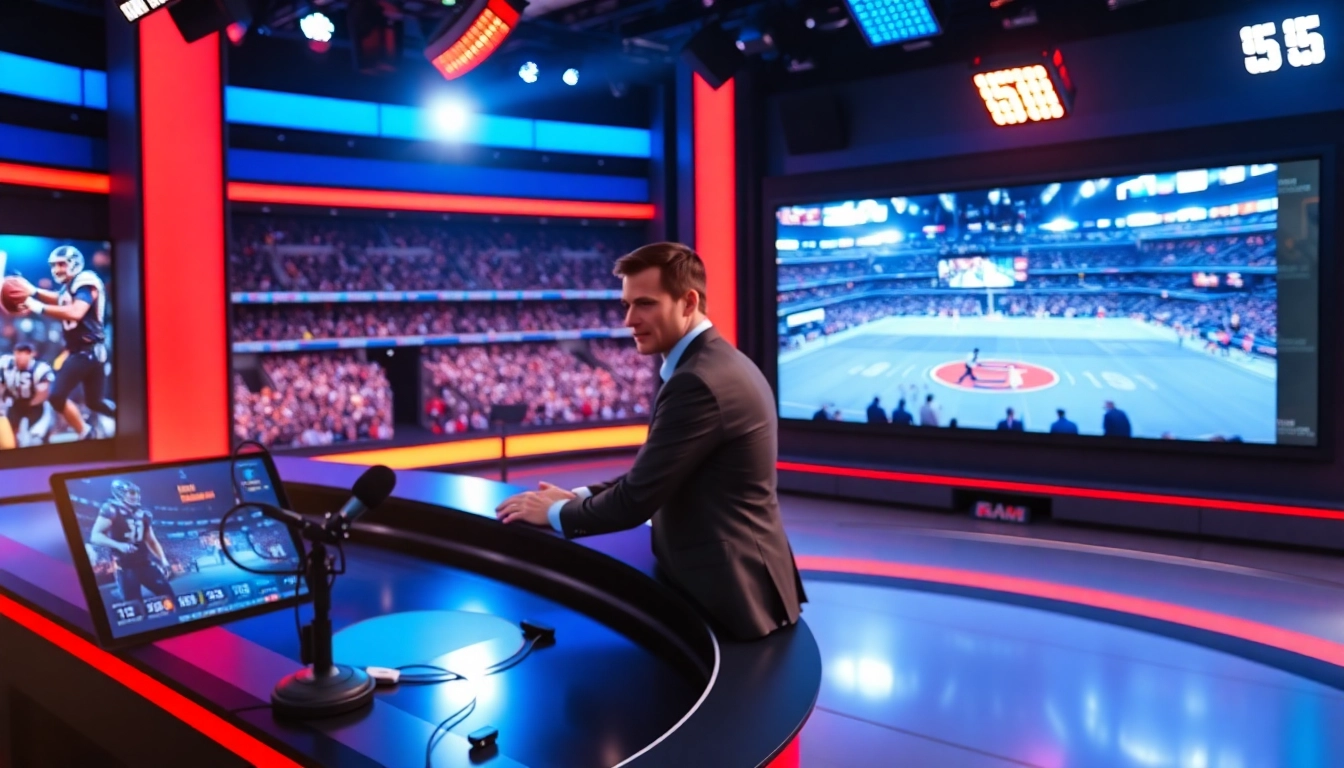
Overview of Sports Broadcasting
Defining Sports Broadcasting
Sports Broadcasting is an intricate blend of media and athletic events, involving the transmission of live sports events to audiences via various platforms. The objective is to deliver real-time action, analysis, and statistics through television, radio, and online streaming services. This sector bridges the gap between sports and fans, employing a myriad of strategies to engage viewers effectively. With the rise of technology and shifting consumer behaviors, the landscape of Sports Broadcasting continues to evolve, requiring a keen understanding of audience preferences and technological capabilities. Read more about Sports Broadcasting to explore its multifaceted nature.
Historical Context and Evolution
Tracing back to the early days of radio and television, Sports Broadcasting has come a long way. The first sports broadcast occurred in the 1920s, paving the way for a new era of engagement. Over decades, it has transformed, witnessing advancements from low-quality black and white screens to high-definition live telecasts. The evolution was propelled by innovative technologies like satellite television and the internet, allowing broadcasts to reach global audiences. Each decade introduced new methodologies, notably the advent of cable networks in the 1980s, which expanded sports coverage significantly. The integration of digital platforms in the 21st century revolutionized how audiences consume sports content, fundamentally changing the broadcasting paradigm.
Key Players in Sports Broadcasting
The landscape of Sports Broadcasting is dotted with various stakeholders, including television networks, streaming platforms, content creators, and sports organizations. Major broadcasters have included established networks that have dominated the airwaves for decades, while newer entities have emerged as significant players in online streaming. Partnerships and contracts with leagues and teams have created a competitive environment, compelling broadcasters to innovate continually and enhance viewer experience. Additionally, technology firms play a vital role, providing analytics and broadcasting solutions that refine the storytelling aspect of sports coverage. This intricate network drives not only profitability but also the overall growth of the sports media industry.
Current Trends in Sports Broadcasting
Rise of Streaming Services
As consumer habits change, the shift towards streaming services has become palpable in Sports Broadcasting. With traditional cable subscriptions declining, sports fans are increasingly turning to digital platforms for real-time access to their favorite events. Services like subscription-based models and ad-supported free streaming have emerged, providing various options to accommodate diverse viewer preferences. This trend has led to intensified competition among broadcasters, as they strive to deliver unique content, exclusive rights, and flexible viewing experiences. As a result, streaming services are no longer just supplementary offerings; they have become a primary avenue for sports viewership.
Integration of Social Media
Social media platforms have become invaluable tools for broadcasters, enhancing audience engagement and promoting interactivity during live events. They allow broadcasters to share highlights, real-time updates, and behind-the-scenes content, fostering a community among fans. Platforms like Twitter and Instagram serve as hubs for discourse, amplifying the reach of broadcasting content by enabling users to share their opinions and experiences. Integrating social media into Sports Broadcasting helps networks personalize viewer interactions, increase brand loyalty, and drive viewership, creating a symbiotic relationship that benefits both viewers and broadcasters.
Innovative Broadcasting Technologies
Technological advancements have redefined the viewer experience in Sports Broadcasting. Innovations such as augmented reality (AR) and virtual reality (VR) are enabling immersive experiences that transport viewers into the game's heart. Moreover, enhancements in graphics presentation, multi-camera angles, and instant replay technologies offer a comprehensive view of events, keeping audiences more engaged. Data analytics also play a crucial role in transforming Sports Broadcasting, providing real-time statistics and insights that deepen fans' understanding of the game. These innovations not only attract viewers but also change how content is consumed and appreciated.
Techniques for Effective Sports Broadcasting
Storytelling Approaches
Successful Sports Broadcasting goes beyond mere commentary; it is fundamentally about storytelling. Creating compelling narratives around athletes, teams, and events draws viewers into the action. Broadcasters utilize various storytelling techniques, from character development to plot arcs, to create emotional connections with the audience. Incorporating human interest stories, dramatic visuals, and context-driven commentary enhances the overall experience, making events more than just scores but stories that resonate with fans. This engagement not only enriches viewership but cultivates a loyal audience base.
Engagement Through Analytics
The use of data analytics is revolutionizing how broadcasters engage with their audiences. By leveraging audience data, broadcasters can tailor content to meet specific viewer preferences, ultimately increasing satisfaction and retention rates. Analytical tools help identify trends, viewership patterns, and demographic information, allowing broadcasters to craft personalized marketing strategies. Furthermore, integrating analytics into live broadcasts through dynamic data visualizations enhances storytelling, providing viewers with insightful context for what they are watching. This data-driven approach is proving crucial in an increasingly competitive broadcasting landscape.
Use of Visual Graphics
Visual graphics are essential in enhancing Sports Broadcasting, serving to underscore key moments and provide critical analysis. High-quality graphics help illustrate complex plays or strategies and can depict statistics and player performance in an engaging manner. Techniques like animated replays and graphical overlays keep the audience informed while maintaining their interest. The effective use of visual elements not only adds professionalism but also fosters a richer viewing experience, helping fans connect with the action on a deeper level.
Challenges in Sports Broadcasting
Viewership Decline Issues
Despite the ongoing evolution of Sports Broadcasting, challenges remain, particularly viewership decline. With countless options available, fans often switch off from traditional broadcasts in favor of personalized content that reflects their tastes. Younger audiences, in particular, are gravitating toward digital platforms that provide on-demand access rather than scheduled programming. This shift poses a challenge for traditional broadcasters, who must adapt their strategies to retain relevance in a fragmented media landscape.
Handling Licensing and Rights
Licensing and rights management is a complex challenge in Sports Broadcasting, with various legal and financial implications. Broadcasters must navigate the intricacies of securing broadcasting rights while ensuring compliance with regulations. Increased competition for exclusive rights can lead to bidding wars that drive up costs, impacting the sustainability of broadcasting partnerships. Effective management of these rights is vital to ensure that broadcasters can deliver content legally while maintaining profitability and viewer satisfaction.
Adapting to Audience Preferences
As audience preferences continue to evolve, so must the strategies employed by broadcasters. Understanding demographic shifts and changing viewer habits is crucial for success. Broadcasters need to innovate their content delivery methods, exploring various formats such as highlights, condensed game recaps, and interactive viewing experiences. Engaging audiences through polls, live interactions, and personalized content can enhance connections and ensure broadcasters remain relevant. The ability to adapt swiftly to these preferences will determine the future competitiveness of sports media outlets.
Future Directions in Sports Broadcasting
Potential Innovations on the Horizon
Looking ahead, the landscape of Sports Broadcasting is poised for further innovation, driven by technological advancements. Innovations such as enhanced streaming quality, personalized viewing experiences, and interactive formats are set to redefine how sports are consumed. The potential for immersive experiences using virtual reality and unique engagement strategies reflects a promising outlook. Additionally, partnerships with tech companies for better broadcasting solutions can spark further innovations, allowing broadcasters to stay ahead of changing viewer demands.
Impact of AI in Sports Broadcasting
Artificial Intelligence (AI) is beginning to impact Sports Broadcasting significantly, from content creation to viewer interactions. AI can automate camera angles during live broadcasts, personalize viewing recommendations, and analyze viewer data for improved engagement strategies. Natural language processing tools enable better commentary generation and analysis. As AI technology advances, its incorporation into Sports Broadcasting will continue to enhance efficiency and viewer satisfaction while opening avenues for deeper insights into audience behavior.
Future of Audience Engagement
The future of audience engagement in Sports Broadcasting hinges on the ability to create meaningful, interactive experiences. Leveraging technologies such as augmented reality, virtual reality, and data analytics will create unprecedented engagement opportunities. Broadcasters will likely explore community-building approaches, allowing fans to participate in discussions, share insights, and contribute actively during broadcasts. Enhanced interactivity not only helps retain existing viewers but also attracts younger audiences looking for more immersive and participatory experiences.
FAQs About Sports Broadcasting
What is Sports Broadcasting?
Sports Broadcasting refers to transmitting live sports events through television, radio, or online platforms, providing coverage, commentary, and analysis to viewers.
How has technology impacted Sports Broadcasting?
Technology has revolutionized Sports Broadcasting through high-definition broadcasts, streaming services, enhanced graphics, and data analytics, enriching the viewer experience.
What are the main challenges in Sports Broadcasting today?
Key challenges include declining viewership, managing licensing rights, and adapting to changing audience preferences amid a competitive landscape.
How can broadcasters engage with younger audiences?
Broadcasters can engage younger audiences by leveraging digital platforms, offering on-demand content, and integrating social media interactions to foster community connections.
What trends are shaping the future of Sports Broadcasting?
Emerging trends include the rise of streaming services, integration of AI and analytics, and innovative technologies like VR and AR for immersive viewing experiences.