Understanding CBD Oil: What It Is and How It Works
As the popularity of natural remedies continues to rise, Cannabidiol (CBD) oil has emerged as a household name across Canada. Many Canadians are turning to CBD oil for various health benefits, steering clear of traditional pharmaceuticals. But what exactly is CBD oil, and why has it gained such traction? This article aims to provide comprehensive insights into CBD oil, its functioning within the body, the different types available, and how to choose the right product that meets your needs.
What is CBD Oil and Its Benefits?
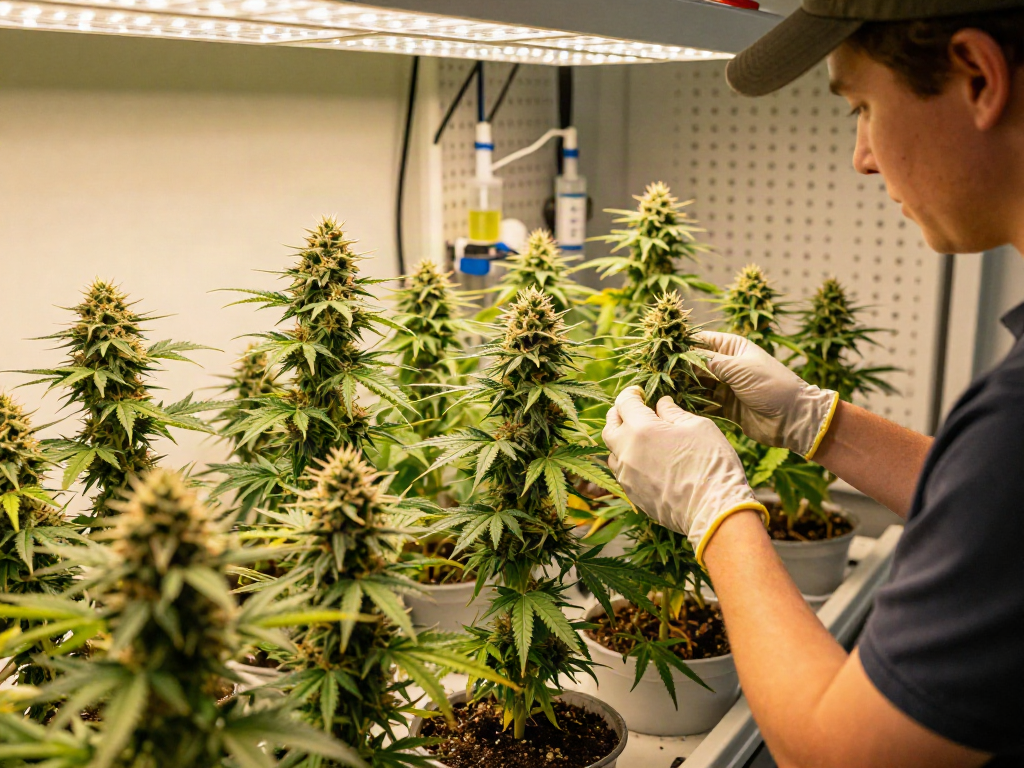
CBD oil is derived from the cannabis plant, particularly hemp, which contains high levels of CBD and low levels of THC (tetrahydrocannabinol). Unlike THC, which is known for its psychoactive effects, CBD does not produce a “high” and is often sought for its therapeutic potential. The oil has garnered attention for various reasons, including its potential to help manage conditions like anxiety, chronic pain, and sleep disorders.
How CBD Oil Works in the Body: The Endocannabinoid System
Understanding how CBD oil interacts with the body requires a brief exploration of the endocannabinoid system (ECS). This complex network of receptors and neurotransmitters is responsible for maintaining homeostasis, or balance, within the body. CBD interacts with the ECS by binding to receptors, influencing the release of neurotransmitters, and ultimately modulating various bodily functions, including mood, pain sensation, and immune response.
Types of CBD Oil: Full-Spectrum vs. THC-Free
When selecting CBD oil, consumers often encounter terms like full-spectrum and THC-free. Full-spectrum CBD oil contains all cannabinoids present in the cannabis plant, including trace amounts of THC, which can enhance the oil's effects due to the entourage effect. In contrast, THC-free or isolate CBD oil contains pure CBD without any THC, making it a suitable option for those sensitive to THC or seeking to avoid it altogether. When exploring options, cbd oil for sale in canada provides comprehensive insights on these varieties, helping consumers make informed choices.
Benefits of CBD Oil for Health: A Comprehensive Overview
The health advantages of CBD oil are becoming increasingly recognized in both popular culture and the medical community. Below, we delve into several key areas where CBD oil may offer benefits.
CBD Oil and Mental Health: Tackling Anxiety and Depression
Studies suggest that CBD oil can have a positive effect on mental health issues such as anxiety and depression. By interacting with serotonin receptors in the brain, CBD may help regulate mood and emotions. Many users report a significant decrease in anxiety levels and a more stable mood when regularly using CBD oil, making it a powerful ally for those coping with mental health challenges.
Coping with Chronic Pain: How CBD Oil Can Help
Chronic pain affects millions across Canada, and traditional pain relief methods often come with side effects. CBD oil has been investigated for its potential analgesic properties, with research indicating that it may reduce inflammation and alleviate pain associated with conditions like arthritis and multiple sclerosis. For many Canadians, incorporating CBD oil into their pain management regimen has led to improved quality of life.
Boosting Sleep Quality: The Role of CBD Oil in Sleep Disorders
Sleep disorders, such as insomnia, are prevalent among Canadians, impacting health and daily functioning. CBD oil may offer a natural solution by promoting relaxation and reducing anxiety, which can interfere with sleep. Early research indicates that CBD might improve sleep quality and help users fall asleep more quickly, making it an appealing option for those struggling with sleep disturbances.
Choosing the Right CBD Oil: A Guide for Canadians
With the increasing availability of CBD products, selecting the right CBD oil can be daunting. Here are a few guidelines to help you make an informed decision.
Understanding Dosage: Finding Your Ideal Amount of CBD
Finding the right dose of CBD oil can vary significantly from person to person based on factors like body weight, metabolism, and the specific condition being treated. It is always advisable to start with a low dose and gradually increase it until the desired effect is achieved. Consulting with a healthcare professional can also provide personalized guidance on dosage.
Identifying Quality Products: What to Look for in CBD Oil
When shopping for CBD oil, prioritize quality. Look for products that are third-party tested for purity and potency. High-quality oils should come with a Certificate of Analysis (COA) from a reputable lab, confirming that the product meets safety and quality standards. Additionally, consider factors such as the extraction method, ingredient sourcing, and customer reviews.
Where to Buy CBD Oil for Sale in Canada: Trusted Sources
It's crucial to purchase CBD oil from reputable retailers that provide transparency about their products. Online stores, such as CBDNorth, offer a wide range of certified organic options alongside customer testimonials that can help gauge product efficacy. Moreover, purchasing from licensed distributors ensures compliance with Canadian regulations, providing peace of mind regarding product quality.
Common Myths and Misconceptions About CBD Oil
Despite its growing popularity, many myths about CBD oil still proliferate. Addressing these misconceptions is essential for informed decision-making.
Is CBD Oil Addictive? Understanding the Facts
CBD oil is non-addictive and does not produce a "high" like its THC counterpart. Studies indicate that CBD may even help combat addiction by addressing underlying issues such as anxiety and stress.
Can CBD Oil Get You High? Clarifying THC vs. CBD
As mentioned earlier, CBD oil derived from hemp has minimal THC content, meaning it cannot induce a psychoactive effect. This makes it safe for consumption without the impairment associated with THC.
Are There Any Side Effects? What You Need to Know
While generally considered safe, CBD oil may lead to mild side effects in some individuals, including dry mouth, fatigue, or changes in appetite. Understanding these potential effects can help users make an informed choice about incorporating CBD oil into their wellness routines.
Future of CBD Oil in Canada: Trends to Watch in 2026
The landscape of CBD oil and its acceptance within Canadian society is rapidly evolving. Here's what to anticipate in the coming years.
Emerging Research on CBD Oil Benefits
As ongoing studies explore the therapeutic benefits of CBD, emerging research is likely to uncover new potential uses for the substance, further bolstering its credibility in the health and wellness sectors. Topics of interest include CBD's role in mental health, pain management, and metabolic regulation.
The Increasing Popularity of CBD Products in Canada
With greater awareness of CBD and its benefits, it's expected that the demand for CBD products will continue to rise among Canadians. As consumers seek natural alternatives to traditional medications, organic CBD products are becoming a preferred choice.
Regulatory Changes and Their Impact on CBD Oil Sales
As regulations surrounding CBD continue to evolve, it’s crucial for manufacturers and consumers to stay informed about legalities. These changes may affect the types of products available on the market and their safety standards.
How to Approach Your Doctor About CBD?
If you're considering CBD oil, discussing it with a healthcare provider can ensure that it fits safely within your overall health plan. Be prepared with questions about dosages, potential interactions with medications, and any concerns you may have about using CBD.
Can CBD Oil Help with Pets? Exploring Benefits for Animals
Pet owners are increasingly seeking CBD oil to manage anxiety and chronic pain in their furry companions. Research suggests that CBD may provide similar benefits for pets as it does for humans, but it is crucial to consult a veterinarian for appropriate dosing and product selection.